
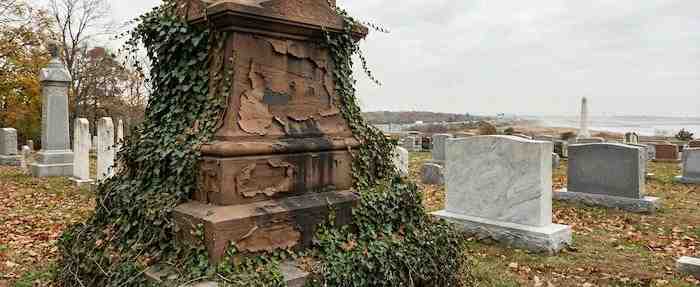
Pine Pitch Accumulation and Solvent Poultices
Pine Barrens vegetation surrounds the local burial grounds. Thick pitch pines canopy the plots. Native trees drop organic resin. Intense solar heat cooks the sap into hard black lumps. Blowing sand adheres to the sticky pitch. The hardened tar obscures engraved names. Mechanical metal scrapers scratch the polished granite surface. Standard soap fails against baked tree sap. Property owners require professional intervention. We execute headstone cleaning Toms River. Field technicians apply specialized solvent poultices. The chemical paste targets the hardened resin. The treatment softens the baked pitch back into a liquid state. Technicians wipe the dissolved material away. Low-pressure hoses flush the oily residue. The original factory polish emerges. The chemical extraction prevents physical surface abrasion.
Coastal Sand Washouts and Foundation Elevation
The local ground features loose beach sand and sandy loam. The soil profile lacks structural density. Heavy coastal storms wash the loose sand away. Subterranean voids open under the monument foundations. Massive granite blocks sink into the soft earth. The uneven settling tilts tall upright blocks off center. Flat bronze markers disappear beneath the turf. We manage cemetery monument foundation lifting. Mechanical gantries hoist the sunken stones. Field crews excavate the unstable sand below the frost line. Technicians pour angular crushed rock into the void. The heavy gravel locks together. This rock pad establishes a rigid structural footprint. The gravel forces rapid subterranean water drainage. The dry pocket resists future washouts. We reset the granite base flush and level. We eliminate the physical safety hazard. We secure the permanent footprint.
Salt Air Corrosion and Bronze Refinishing
Toms River borders the Barnegat Bay and Atlantic coast. High winds blow heavy salt spray inland. The corrosive marine moisture settles on bare bronze plaques. Sodium chloride attacks the factory clear coat. The copper alloy develops active oxidation. A chalky green crust buries the engraved names. Acidic rain washes the green copper runoff onto the adjacent granite. We execute bronze memorial refinishing. Chemical strippers dissolve the green corrosion. Heavy abrasive blocks cut the raised letters down to the bare metal. Specialized torches heat the plaque. Technicians melt solid wax into the open metal pores. The thick wax barrier blocks ambient moisture. Field crews apply chemical neutralizers to the stained granite. The liquid extracts the copper runoff.
Oak Tannin Dyes and Chemical Extraction
Historic burial grounds feature mature oak trees. The trees drop heavy leaf cover across the plots. Wet oak foliage decays on the monument bases. The organic decay releases heavy tannin acid. This brown pigment absorbs deep into the porous granite matrix. Surface washing leaves the internal dye untouched. Field crews apply specialized poultice pastes. The thick chemical covers the brown stains. The active ingredients draw the tannin dye out of the pores through capillary action. The paste dries over several days. Technicians peel the dry material away. The organic stain detaches from the stone. The uniform granite color returns.
Concrete Coping and Biological Eradication
Historic family plots feature old concrete curbing. High coastal humidity feeds aggressive biological colonization. Lichen and moss thrive on the rough cement surfaces. The vegetative layer traps liquid water against the porous concrete. Winter temperature drops freeze this trapped moisture. The expanding ice fractures the rigid cement walls. The coping crumbles into the grave space. We execute delicate tombstone repair and restoration. Industrial biological cleaners soak into the root structures. The organism dies. The dead lichen turns brittle. Natural rainfall washes the organic debris away. We inject industrial stone epoxy into the open cracks. The resin locks the broken concrete chunks together. We perform detailed cemetery plot maintenance across the region.
Mower Damage and Granite Beveling
Crowded municipal plots leave narrow margins for commercial landscaping equipment. Heavy mower decks strike the sunken granite bases. The steel blades chip the polished corners. The sharp edges become susceptible to further flaking. We correct the mechanical damage. Industrial diamond pads grind the broken edges flat. The abrasive pads smooth the damaged granite. The structural beveling prevents progressive crumbling. We establish a clean dirt border around the base. The physical gap keeps landscapers away from the monument.
Marine Weather and Inscription Repainting
Ultraviolet radiation bakes the monument enamel into dry ash. High winds blow the dead pigment out of the carved letters. We manage faded inscriptions via headstone lettering restoration. Technicians scrape the empty grooves with steel picks. We inject industrial lithichrome enamel. The heavy paint resists marine weather. The original factory contrast returns.
Logistics and Service Verification
Toms River logistics demand precise operational planning. Poultice applications require multiple cemetery visits. Rebuilding foundations involves heavy gravel transport. Our mobile units carry dedicated water supplies. We handle all cemetery compliance paperwork. Clients receive a flat rate upfront. You track the project progress remotely. Field crews upload the final timestamped verification photo via our mobile and web app. The digital platform stores the service records.
- Pine Pitch Extraction: Solvent poultices dissolve baked-on tree sap from polished granite.
- Sand Stabilization: Crushed rock foundations support heavy stones in loose coastal sand.
- Bronze Refinishing: Chemical strippers remove green salt corrosion from metal plaques.
- Tannin Stain Removal: Poultice pastes draw brown oak leaf dyes out of stone pores.