
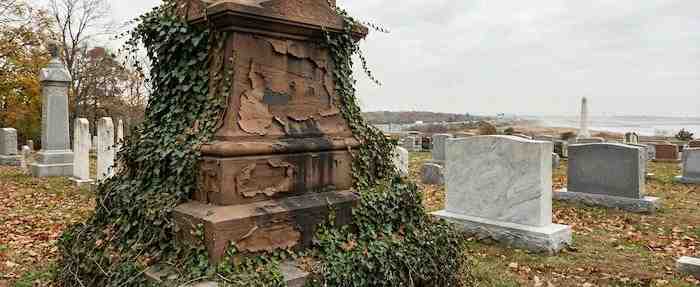
Refinery Soot and Hydrocarbon Extraction
Elizabeth hosts massive oil refineries and international airport logistics. Heavy aircraft traffic generates unburnt jet fuel particulate. Nearby highways produce dense diesel smoke. This airborne pollution settles across local burial grounds like Evergreen Cemetery. Atmospheric moisture mixes with the industrial fallout. The combination forms a sticky hydrocarbon grease on granite monuments. Airborne dirt sticks to the residue. Intense solar heat cooks this contamination onto the granite surface. A solid black shell forms. A standard garden hose fails against petrochemical residue. Wire brushes scratch the underlying stone. We execute headstone cleaning Elizabeth. Field technicians apply commercial alkaline degreasers. The chemical attacks the hydrocarbon bond. The grease detaches from the granite matrix. Low-pressure hoses flush the loosened sludge. The original stone polish emerges. The chemical extraction avoids physical surface abrasion.
Marshlands and Foundation Elevation
The local topography features historic marshlands. The local water table sits near the surface. Groundwater saturates the lower dirt layers. Frequent storms convert the upper soil into thick sludge. This saturated ground cannot support heavy weight. Massive granite monuments sink into the soft earth. The uneven settling tilts tall upright blocks off center. Flat markers disappear beneath the turf. We manage cemetery monument foundation lifting. Mechanical gantries extract the leaning stones. Field crews excavate the unstable mud below the frost line. Technicians pour angular crushed rock into the void. The heavy gravel locks together. This rock pad establishes a rigid structural footprint. The gravel forces subterranean water drainage. The dry pocket resists future settling. We reset the granite base flush and level. We eliminate the physical safety hazard.
Acid Rain Degradation and Limestone Consolidation
Local refinery emissions increase atmospheric sulfur. Acidic precipitation falls across Union County. The acid attacks antique limestone and marble markers. The chemical reaction dissolves the natural mineral binders. The smooth stone surface degrades into gritty sand. The carved inscriptions fade under the continuous chemical burn. High-pressure water destroys this fragile masonry. Field crews perform delicate tombstone repair and restoration. Soft bristle brushes clear the surface debris. Technicians apply liquid stone consolidants. The consolidant soaks deep into the marble matrix. The chemical deposits new silica binders. The internal structure hardens. The consolidation halts the active decay. We preserve the remaining structural mass. We manage faded inscriptions via headstone lettering restoration.
Bronze Oxidation and Granite Stain Extraction
Industrial pollution and coastal humidity attack bare bronze plaques. Damp industrial air reacts with bare copper. The metal develops active oxidation. Green corrosion buries the engraved names. Acidic rain washes the green copper runoff onto the adjacent granite. The runoff stains the porous stone. We execute bronze memorial refinishing. Chemical strippers dissolve the green corrosion. Heavy abrasive blocks cut the raised letters down to the bare metal. Technicians spray a dark background paint. Specialized torches heat the plaque. Technicians melt solid wax into the open metal pores. The wax barrier blocks damp air. Field crews apply chemical neutralizers to the stained granite. The liquid extracts the copper runoff. The rock returns to a uniform color.
Red Clay Splash and Poultice Application
Severe storms agitate the wet red clay. Raindrops splash the muddy water against the monument bases. The porous granite absorbs the dirty water. The moisture evaporates. The red iron particles remain trapped inside the rock matrix. This creates a dark red band around the bottom of the stone. Surface washing ignores the internal iron deposits. Field crews apply specialized clay poultices. The thick paste covers the red stains. The chemical draws the iron oxide out of the pores through capillary action. The paste dries over several days. Technicians peel the dry material away. The iron stain detaches from the stone. The uniform granite color returns.
Oak Root Intrusions and Foundation Modification
Mature oak trees shade the historic plots. Massive root systems spread beneath the turf. The subterranean roots push against old concrete foundations. The upward pressure lifts the monument. The granite tilts dangerously. Cutting massive roots kills the historic trees. Field crews excavate the area around the foundation. We build a new crushed gravel pad alongside the intrusive root. The modified footprint supports the stone weight. The monument sits level. We perform detailed cemetery plot maintenance.
Mower Damage and Granite Beveling
Crowded municipal plots leave narrow margins for commercial landscaping equipment. Heavy mower decks strike the granite bases. The steel blades chip the polished corners. The sharp edges become susceptible to further flaking. We correct the mechanical damage. Industrial diamond pads grind the broken edges flat. The abrasive pads smooth the damaged granite. The structural beveling prevents progressive crumbling. We establish a clean dirt border around the base. The physical gap keeps landscapers away from the monument.
Logistics and Service Verification
Elizabeth logistics demand precise operational planning. Poultice applications require multiple cemetery visits. Rebuilding foundations involves heavy gravel transport. Narrow historic cemetery roads complicate equipment access. Our mobile units carry dedicated water supplies. We handle all cemetery compliance paperwork. Clients receive a flat rate upfront. You track the project progress remotely. Field crews upload the final timestamped verification photo via our mobile and web app. The digital platform stores the service records.
- Hydrocarbon Extraction: Alkaline degreasers dissolve sticky aviation and refinery soot.
- Marsh Stabilization: Crushed rock foundations support heavy stones in wet soil.
- Limestone Consolidation: Silica binders harden acid-damaged antique monuments.
- Clay Stain Extraction: Chemical poultices pull red iron oxide out of granite pores.